Easily Integrate
LogisticsOS's API using Konfig's TypeScript SDK
Growing API Companies trust Konfig's SDKs to onboard developers to their API.





First, instantiate the SDK
It only takes a few lines of code.
Then, send your first request
We made it really easy.
Enjoy a buttery smooth developer experience with 12 SDK methods
Parameter
Job ID returned by /vrp POST.
Response
Endpoint
Parameter
Response
Endpoint
Parameter
Job ID returned by /tsp POST.
Response
Endpoint
Parameter
Response
Endpoint
Parameter
Job ID returned by /ondemand POST.
Response
Endpoint
Parameter
Response
Endpoint
How Konfig Works
Konfig collects APIs and automatically generates SDKs so you can focus on building your application.

Konfig maintains the highest quality collection of OpenAPI Specifications on the internet in a GitHub repository
We pull OpenAPI Specifications from public sources, fix any errors, and make sure they pass our lint rules. We continually make sure the repository is up-to-date and collect up-time and response time metrics for every API.
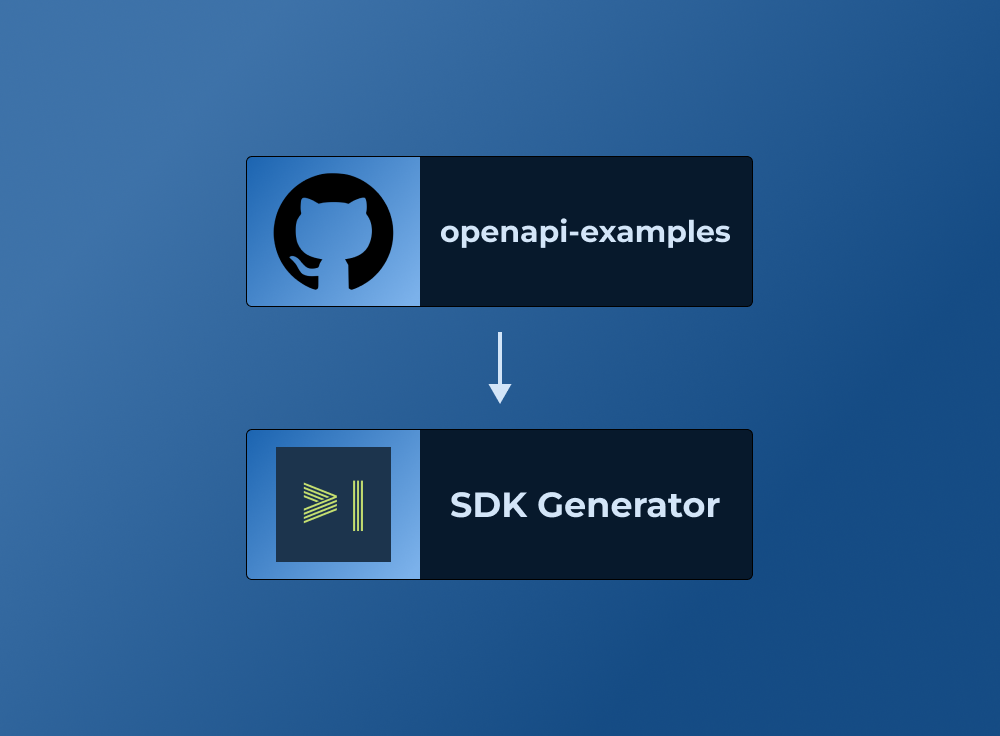
Generates AI-Augmented SDKs from openapi-examples
Our SDK generator is trusted by growing API companies and goes through a rigorous testing process to ensure the generated SDKs are high-quality and easy to use.
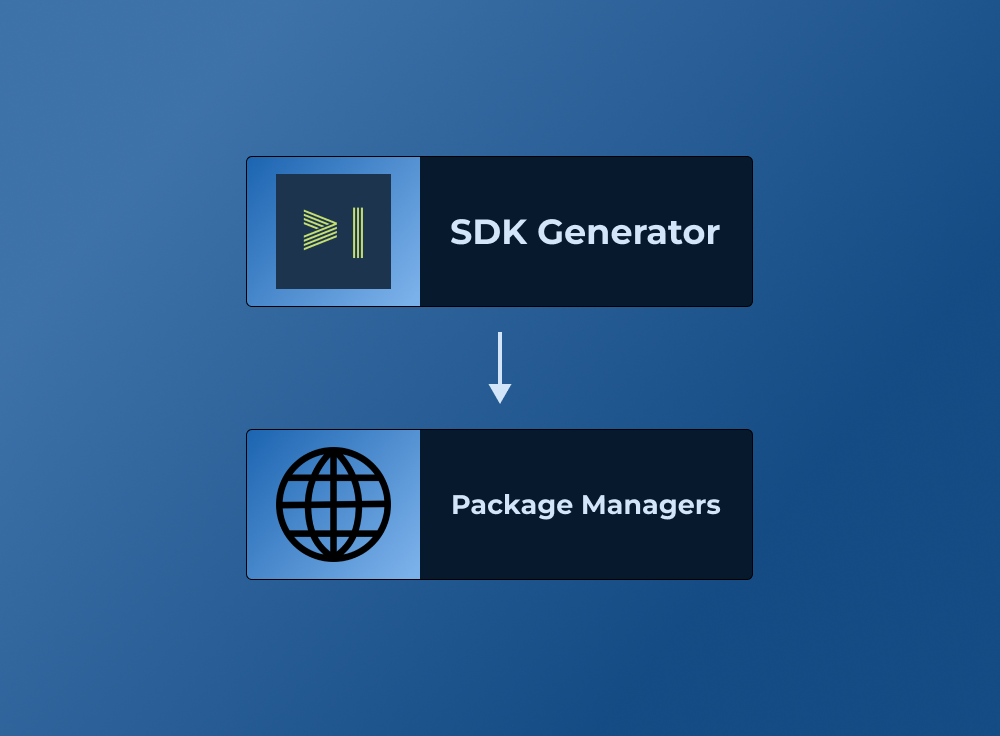
Publishes to standard package managers
We publish to standard package managers like npm, PyPI, and Maven so you can easily integrate the SDK into your application.

About LogisticsOS
We provide an algorithm REST API for companies in the last mile delivery space to dispatch drivers and optimize delivery sequences. Our customers range from traditional logistics companies with fleet management platforms to on-demand delivery companies with mobile apps and drivers. Clients can easily integrate our algorithm into their existing system to find optimal delivery plans. We are also planning to develop on-prem solutions so customers could deploy and host locally for flexibility and data security. What's different about LogisticsOS? There are many route optimization products in the market but there are three major flaws with them: They tend to make drivers traveling around the city, take hours to compute a result, and their solutions do not scale well with increasing volume. We think customers deserve something better. So, we have built a generation leap route optimization engine that solves the above problems by, Producing solutions with high route density. Drivers are now able to stay in one area. Producing consistent results and scales linearly with increasing volume. Significantly reduced computation time, I.e., hours to minutes, and minutes to seconds. Further reduce the total travel time by another 10%-20%, which results in direct savings for delivery companies.