Easily Integrate
The New York Times's Books API using Konfig's TypeScript SDK
Growing API Companies trust Konfig's SDKs to onboard developers to their API.





First, instantiate the SDK
It only takes a few lines of code.
Then, send your first request
We made it really easy.
Enjoy a buttery smooth developer experience with 7 SDK methods
Parameter
The name of the Times best sellers list (hardcover-fiction, paperback-nonfiction, ...). The /lists/names service returns all the list names. The encoded list names are lower case with hyphens instead of spaces (e.g. e-book-fiction, instead of E-Book Fiction).
YYYY-MM-DD
The week-ending date for the sales reflected on list-name. Times best sellers lists are compiled using available book sale data. The bestsellers-date may be significantly earlier than published-date. For additional information, see the explanation at the bottom of any best-seller list page on NYTimes.com (example: Hardcover Fiction, published Dec. 5 but reflecting sales to Nov. 29).
YYYY-MM-DD
The date the best sellers list was published on NYTimes.com (different than bestsellers-date). Use "current" for latest list.
Sets the starting point of the result set (0, 20, ...). Used to paginate thru books if list has more than 20. Defaults to 0. The num_results field indicates how many books are in the list.
Response
Endpoint
Parameter
YYYY-MM-DD or "current"
The date the best sellers list was published on NYTimes.com. Use "current" to get latest list.
Name of the Best Sellers List (e.g. hardcover-fiction). You can get the full list of names from the /lists/names.json service.
Sets the starting point of the result set (0, 20, ...). Used to paginate thru books if list has more than 20. Defaults to 0. The num_results field indicates how many books are in the list.
Response
Endpoint
Parameter
YYYY-MM-DD
The best-seller list publication date. You do not have to specify the exact date the list was published. The service will search forward (into the future) for the closest publication date to the date you specify. For example, a request for lists/overview/2013-05-22 will retrieve the list that was published on 05-26.
If you do not include a published date, the current week's best sellers lists will be returned.
Response
Endpoint
Parameter
YYYY-MM-DD
The best-seller list publication date. You do not have to specify the exact date the list was published. The service will search forward (into the future) for the closest publication date to the date you specify. For example, a request for lists/overview/2013-05-22 will retrieve the list that was published on 05-26.
If you do not include a published date, the current week's best sellers lists will be returned.
Response
Endpoint
No Parameters
Response
Endpoint
Parameter
The target age group for the best seller.
The author of the best seller. The author field does not include additional contributors (see Data Structure for more details about the author and contributor fields).
When searching the author field, you can specify any combination of first, middle and last names.
When sort-by is set to author, the results will be sorted by author's first name.
The author of the best seller, as well as other contributors such as the illustrator (to search or sort by author name only, use author instead).
When searching, you can specify any combination of first, middle and last names of any of the contributors.
When sort-by is set to contributor, the results will be sorted by the first name of the first contributor listed.
International Standard Book Number, 10 or 13 digits
A best seller may have both 10-digit and 13-digit ISBNs, and may have multiple ISBNs of each type. To search on multiple ISBNs, separate the ISBNs with semicolons (example: 9780446579933;0061374229).
Sets the starting point of the result set (0, 20, ...). Used to paginate thru results if there are more than 20. Defaults to 0. The num_results field indicates how many results there are total.
The publisher's list price of the best seller, including decimal point.
The standardized name of the publisher
The title of the best seller
When searching, you can specify a portion of a title or a full title.
Response
Endpoint
How Konfig Works
Konfig collects APIs and automatically generates SDKs so you can focus on building your application.

Konfig maintains the highest quality collection of OpenAPI Specifications on the internet in a GitHub repository
We pull OpenAPI Specifications from public sources, fix any errors, and make sure they pass our lint rules. We continually make sure the repository is up-to-date and collect up-time and response time metrics for every API.
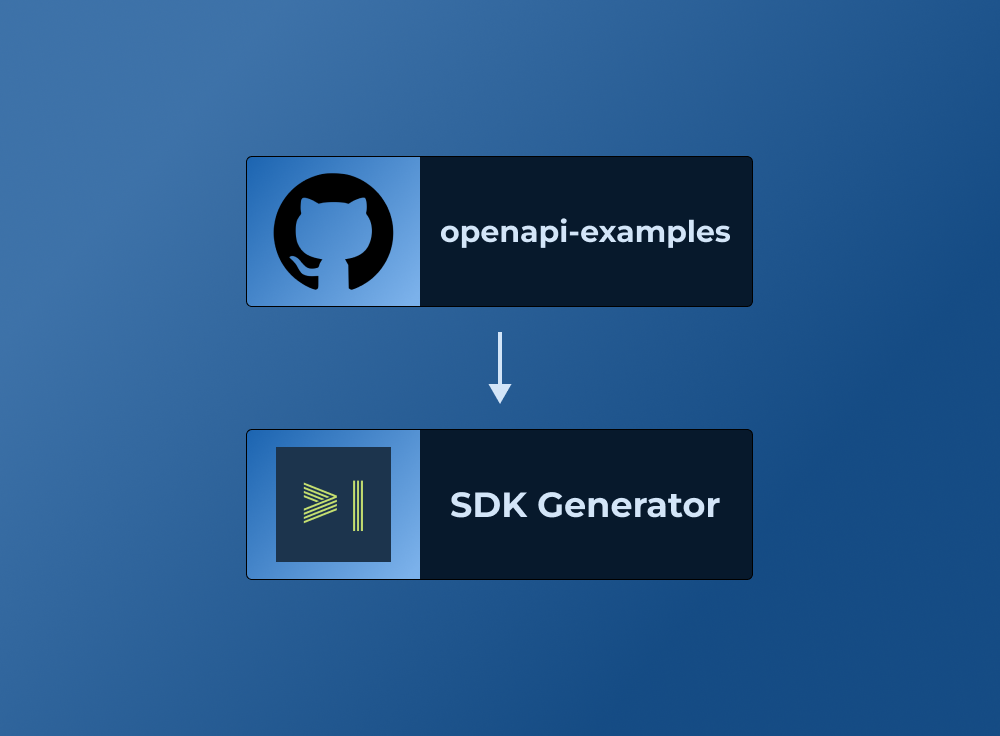
Generates AI-Augmented SDKs from openapi-examples
Our SDK generator is trusted by growing API companies and goes through a rigorous testing process to ensure the generated SDKs are high-quality and easy to use.
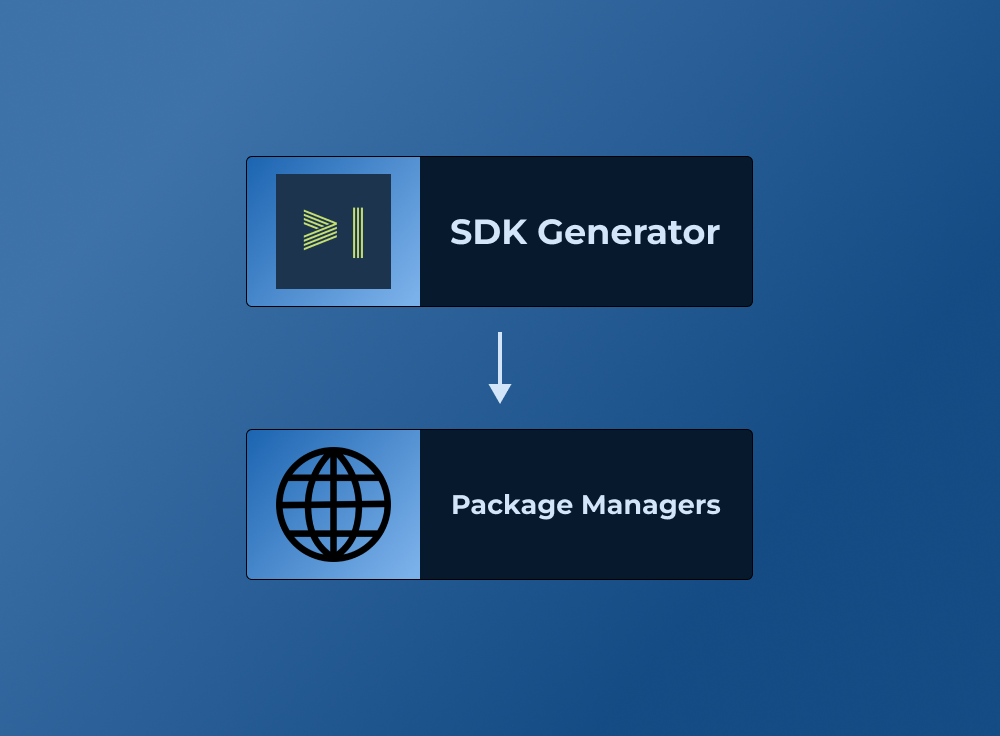
Publishes to standard package managers
We publish to standard package managers like npm, PyPI, and Maven so you can easily integrate the SDK into your application.

About The New York Times
Live news, investigations, opinion, photos and video by the journalists of The New York Times from more than 150 countries around the world. Subscribe for coverage of U.S. and international news, politics, business, technology, science, health, arts, sports and more.